
 01761 414 356
 info@ianhobbs.com


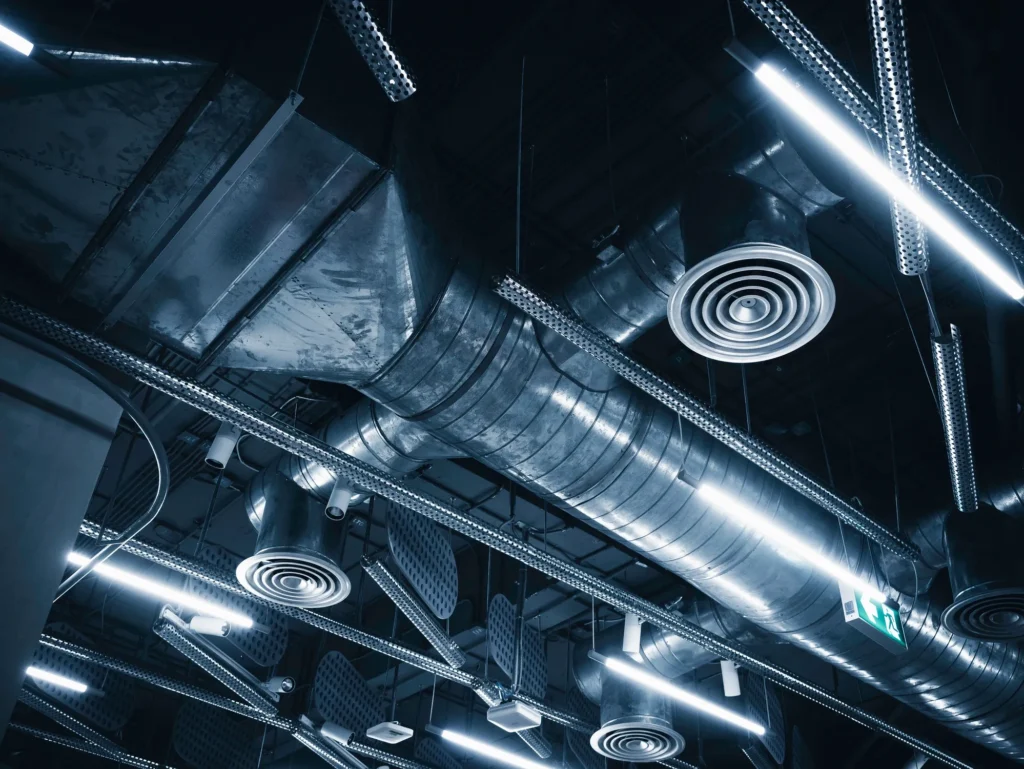
Unexpected equipment breakdowns can be more than just inconvenient. They can be costly, disruptive, and damaging to your reputation. For businesses that rely on commercial refrigeration, air conditioning, or electrical systems, even a short period of downtime can mean lost stock, lost revenue, and unhappy customers.
While professional servicing and planned maintenance contracts are essential, there are also simple on-site checks your team can carry out to help minimise breakdown risk between engineer visits.
Here’s what to look out for.
Keep Equipment Clean and Clear
One of the most common causes of system inefficiency and failure is restricted airflow. Dust, grease, packaging, and general debris can quickly build up around units.
Make sure:
- Air vents and grilles are not blocked
- Condenser coils are kept clean (where safely accessible)
- There is adequate clearance around the equipment
- Storage items are not stacked against units
Poor airflow forces systems to work harder, increasing wear and tear and raising energy costs.
Monitor Temperature Consistently
For refrigeration and cold storage systems, temperature fluctuations are often the first sign of a developing issue.
Encourage staff to:
- Check and record temperatures daily
- Watch for unexplained rises or drops
- Report alarms immediately
- Avoid leaving cold room doors open longer than necessary
Catching temperature inconsistencies early can prevent stock loss and reduce the risk of a complete system failure.
Listen for Unusual Noises
Your equipment will usually give warning signs before a major breakdown occurs. Unusual sounds such as grinding, buzzing, rattling, or excessive vibration shouldn’t be ignored.
If something sounds different from normal operation, it’s worth having it checked. Acting early can often mean a minor repair rather than a major replacement.
Check for Visible Leaks or Damage
Regular visual inspections can identify problems before they escalate. Look out for:
- Water pooling around units
- Ice build-up in refrigeration systems
- Damaged pipework or insulation
- Loose wiring or exposed cables
Leaks and ice formation may indicate blocked drains, refrigerant issues, or airflow problems, all of which are easier and cheaper to resolve when caught early.
Ensure Doors and Seals Are Intact
In commercial refrigeration environments, door seals play a crucial role in maintaining efficiency. Damaged or worn seals allow warm air in, forcing systems to work harder and increasing the risk of compressor failure.
Check that:
- Door seals are intact and not cracked
- Doors close fully and securely
- Hinges and handles are functioning properly
A simple seal replacement can significantly improve performance and extend equipment lifespan.
Don’t Ignore Small Issues
Many major breakdowns start as small, easily fixable problems. Delaying repairs often results in more expensive and disruptive outcomes.
Encourage staff to report concerns immediately rather than waiting for routine service visits.
Prevention Is Always Better Than Cure
While these simple on-site checks can help reduce breakdown risk, they are not a substitute for professional maintenance. Scheduled servicing ensures systems are operating safely, efficiently, and in compliance with current regulations.
A proactive approach, combining regular internal checks with expert preventative maintenance, is the most effective way to protect your equipment, reduce downtime, and keep your business running smoothly.
If you’d like to review your current maintenance strategy, our team is always happy to help.