
 01761 414 356
 info@ianhobbs.com


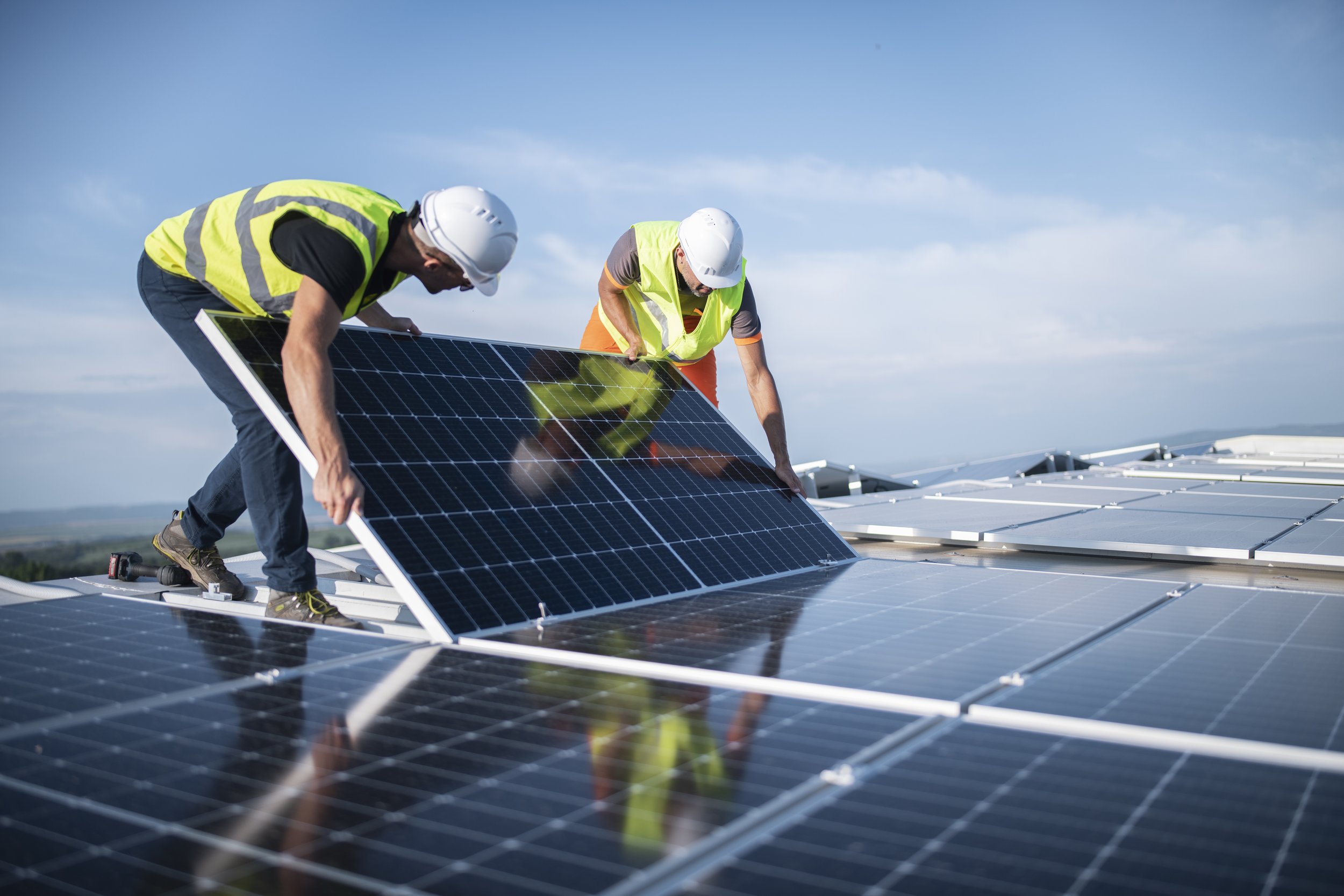
Solar panel installation has become one of the most popular ways for homeowners and business owners in the South West to cut energy costs and reduce their environmental impact. With the sun as a renewable energy source, equipment prices falling, and electricity bills rising, more property owners than ever are asking whether solar is worth the investment. Here’s what you need to know before going ahead.
What Are the Benefits of Solar Panel Installation?
From the environment to your bottom line, solar panel installation pays off in several ways. Here are the main benefits worth knowing about.
A genuinely renewable energy source
Solar is one of the few truly renewable energy sources available. Unlike fossil fuels, it can’t run out; as long as the sun keeps shining, it keeps generating power. That makes solar panel installation one of the simplest ways for a home or business to reduce its reliance on the grid and lower its carbon footprint.
Lower electricity bills and SEG payments
With energy costs remaining a concern for households and businesses alike, solar panel installation is one of the most effective ways to bring bills down. Panels reduce how much electricity or heat you need to buy, and for businesses in particular, a larger commercial system can cover a significant share of overall energy use.
There’s also the option to earn money back. If your system is connected to the grid and generates more electricity than you use, you can receive payments for the surplus you export through the Smart Export Guarantee (SEG), turning unused energy into an additional source of savings.
Diverse uses for homes and businesses
Solar panel installation isn’t limited to one type of system or one use. Photovoltaic panels generate electricity, while solar thermal panels generate heat — both useful in locations with limited access to the mains grid. Solar technology can also distil water in areas without a reliable clean water supply and even power satellites in space.
Closer to home, solar can increasingly be built into a property itself, with transparent solar energy windows now available as an alternative to traditional panels.
Low maintenance, low ongoing costs
Once installed, solar panel systems are refreshingly low-maintenance. With no moving parts, there’s no wear and tear to worry about; panels just need an occasional clean a few times a year to stay efficient. The main component likely to need attention is the inverter, typically replaced every 5–10 years as it works continuously to convert solar energy into usable electricity and heat. That means lower ongoing maintenance and repair costs compared with many other energy systems.
How Much Does Solar Panel Installation Cost?
The cost of solar panel installation depends on several factors: the size and type of system (photovoltaic or thermal), whether it’s for a home or a commercial property, and the complexity of the installation itself. While there’s an upfront investment, the combination of reduced bills, SEG income and minimal maintenance means most systems pay for themselves over time and continue generating savings well beyond that point.
A free site survey is the best way to get an accurate picture of costs and likely savings for your specific property, rather than relying on generic estimates.
Is Solar Panel Installation Right for You?
If you’re weighing up solar panel installation for a home or business in Bath, Bristol or the wider South West, it’s worth speaking to a team that can assess your property and energy needs directly. Take a look at our renewable energy solutions to see the full range of options we offer, from PV installations to air source heat pumps.
Ready to find out more? Get in touch with our team today or call 01761 414 356 to arrange your free site survey and take the first step towards a more sustainable, cost-effective energy supply.